
How to choose a small dog breed that fits your family
There is no single best small breed for families. There is only the one that fits the household it joins. This guide walks through the questions that actually decide it: hours alone, children's ages, grooming, activity, adult size and climate. Work through them and the nine breeds Precious Pups places usually narrow to two or three worth a conversation.
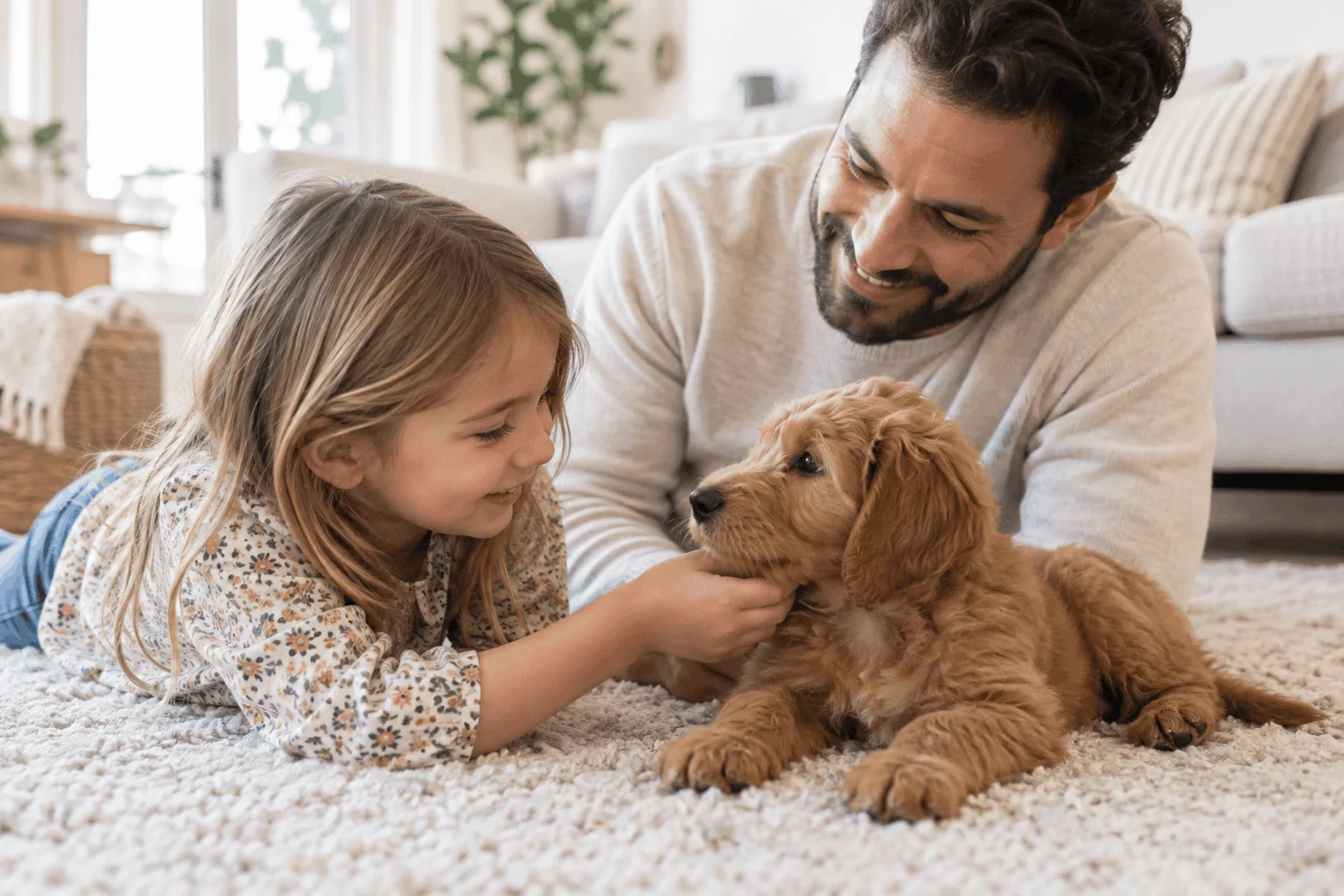
Eight questions that decide the fit
Answer these honestly before you fall for a photograph. Most families find the list does the work for them.
How much of the day is the house empty?
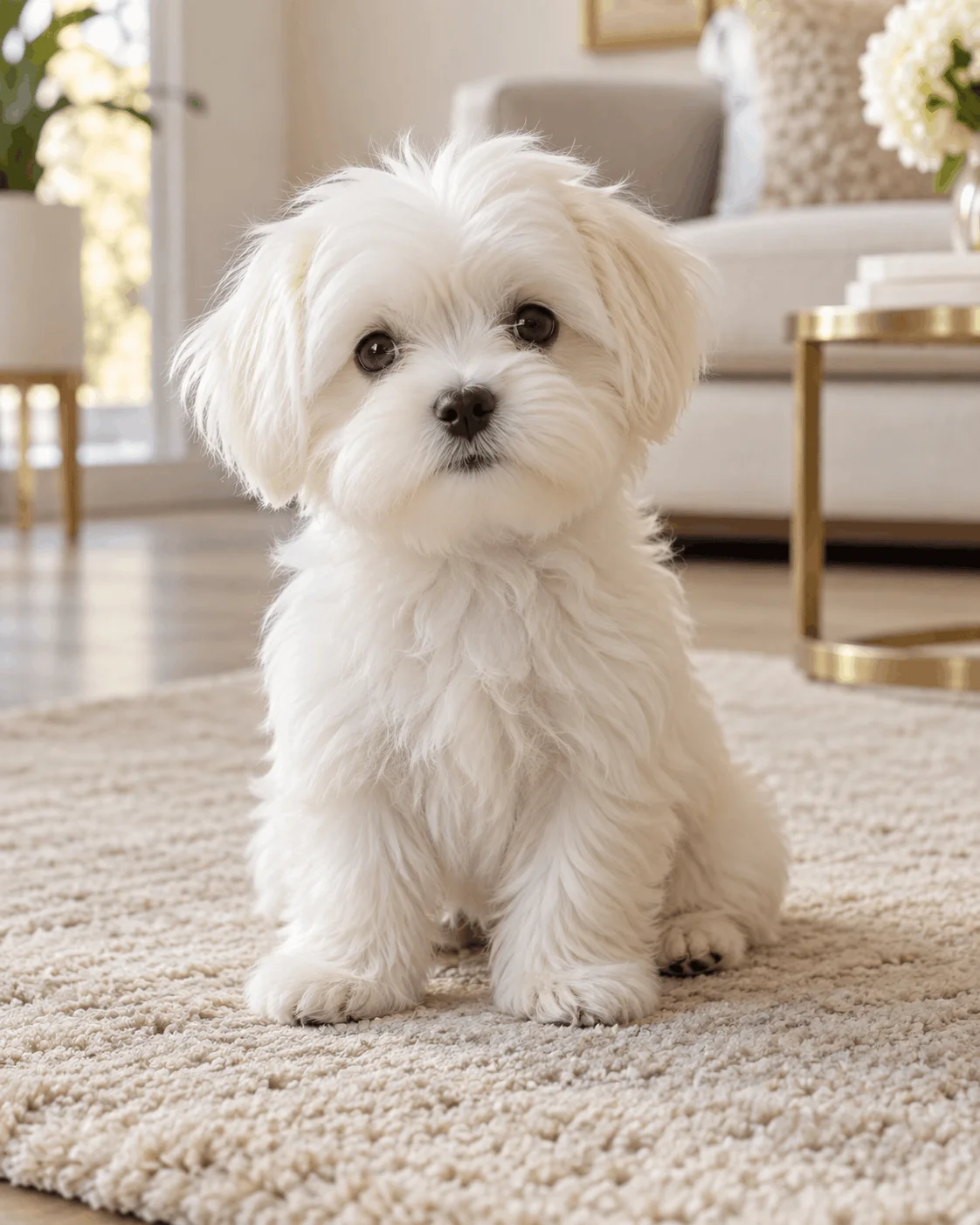
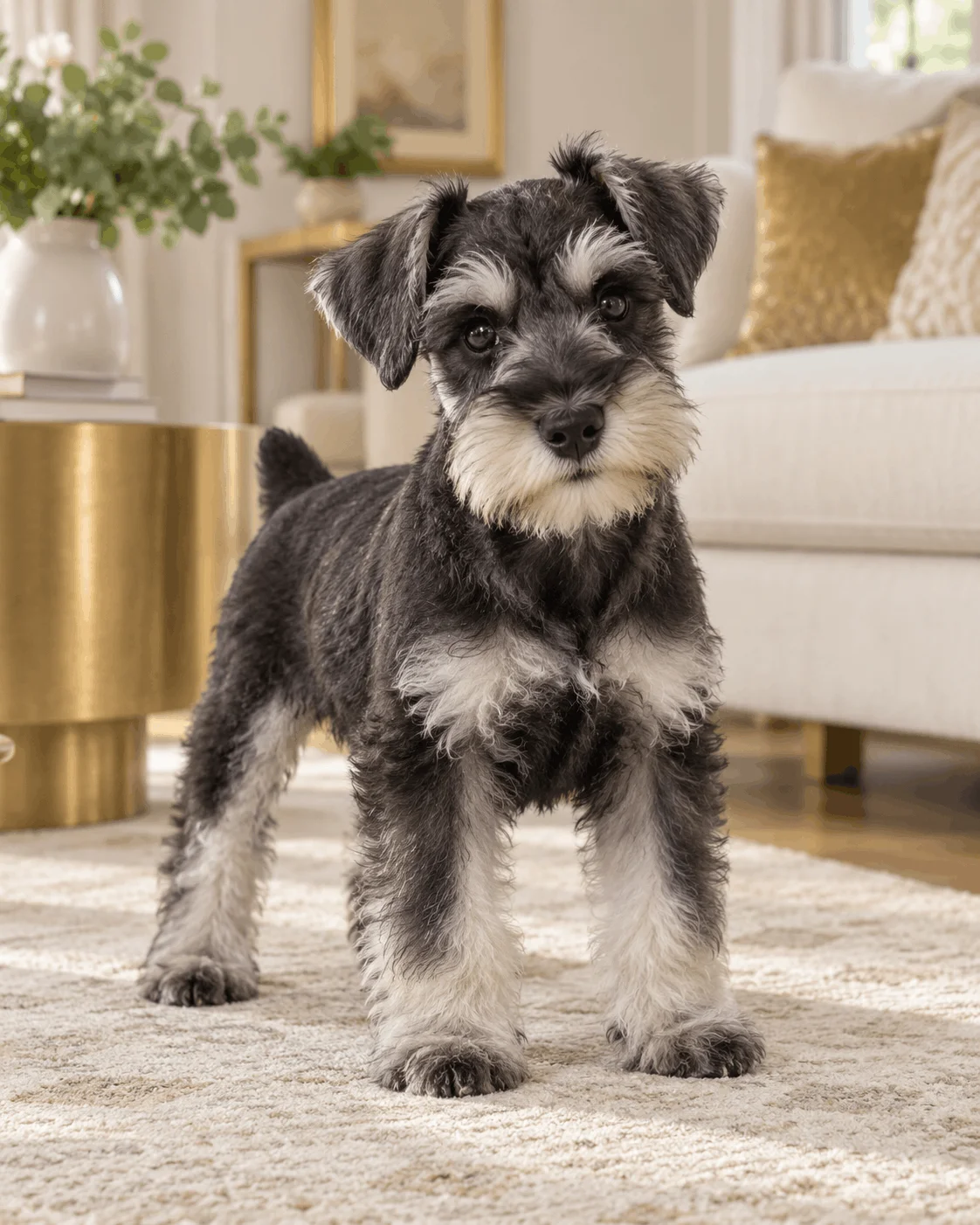
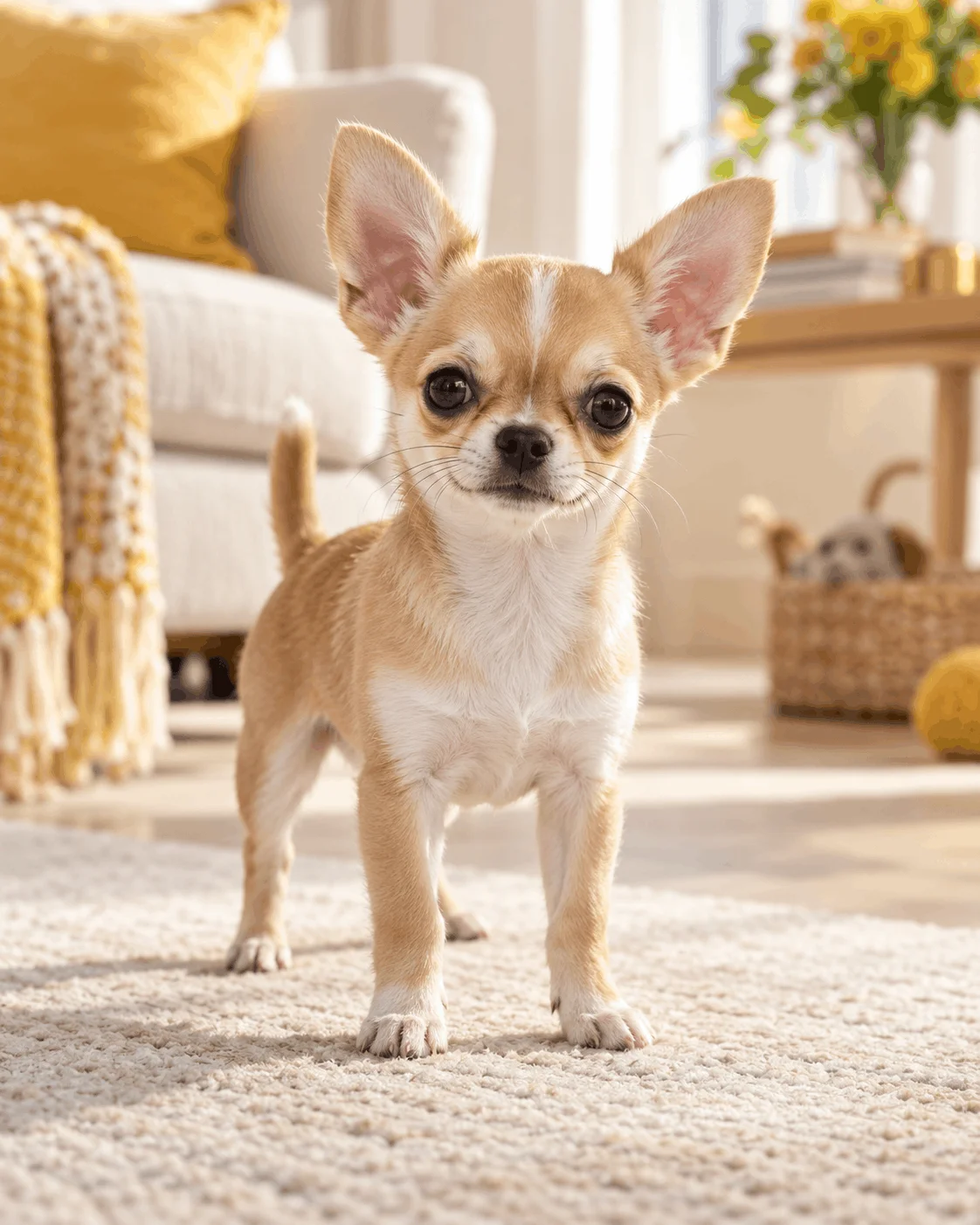
This decides more than any other answer. A Maltese or a Chihuahua bonds hard and tends to struggle with long stretches alone; a Yorkipoo or a Miniature Schnauzer copes better with an ordinary working pattern. If your house is empty ten hours a day, say so early. It rules several breeds out kindly.
How old are the children?
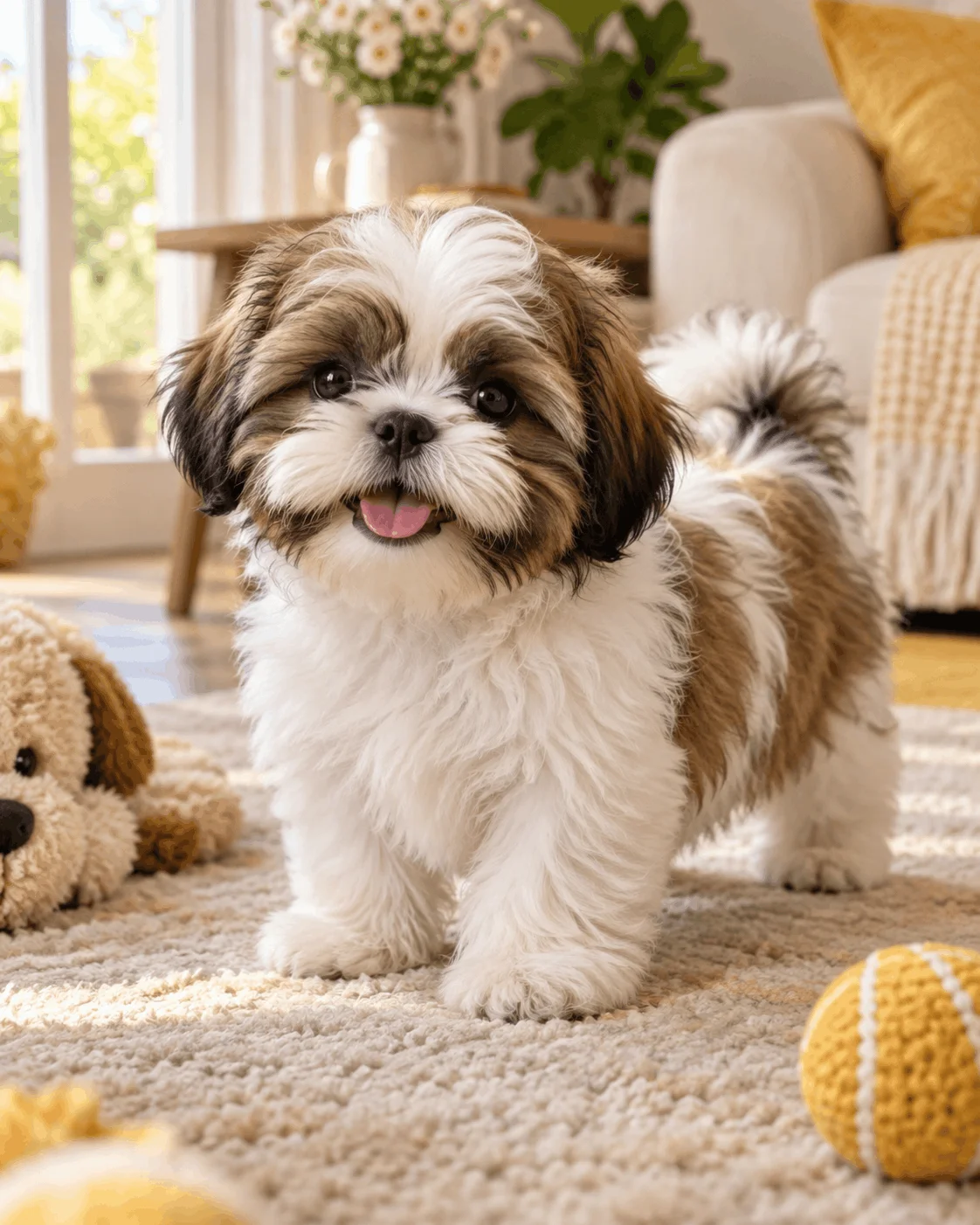
Age matters more than temperament here. Most of these breeds are gentle, but a four-pound adult is easy to injure by accident. School-age children who have learned to handle a small dog calmly open up the whole list. Toddlers point you toward the sturdier end of the list, the Shih Tzu and the Pug.
What grooming can you actually keep up?
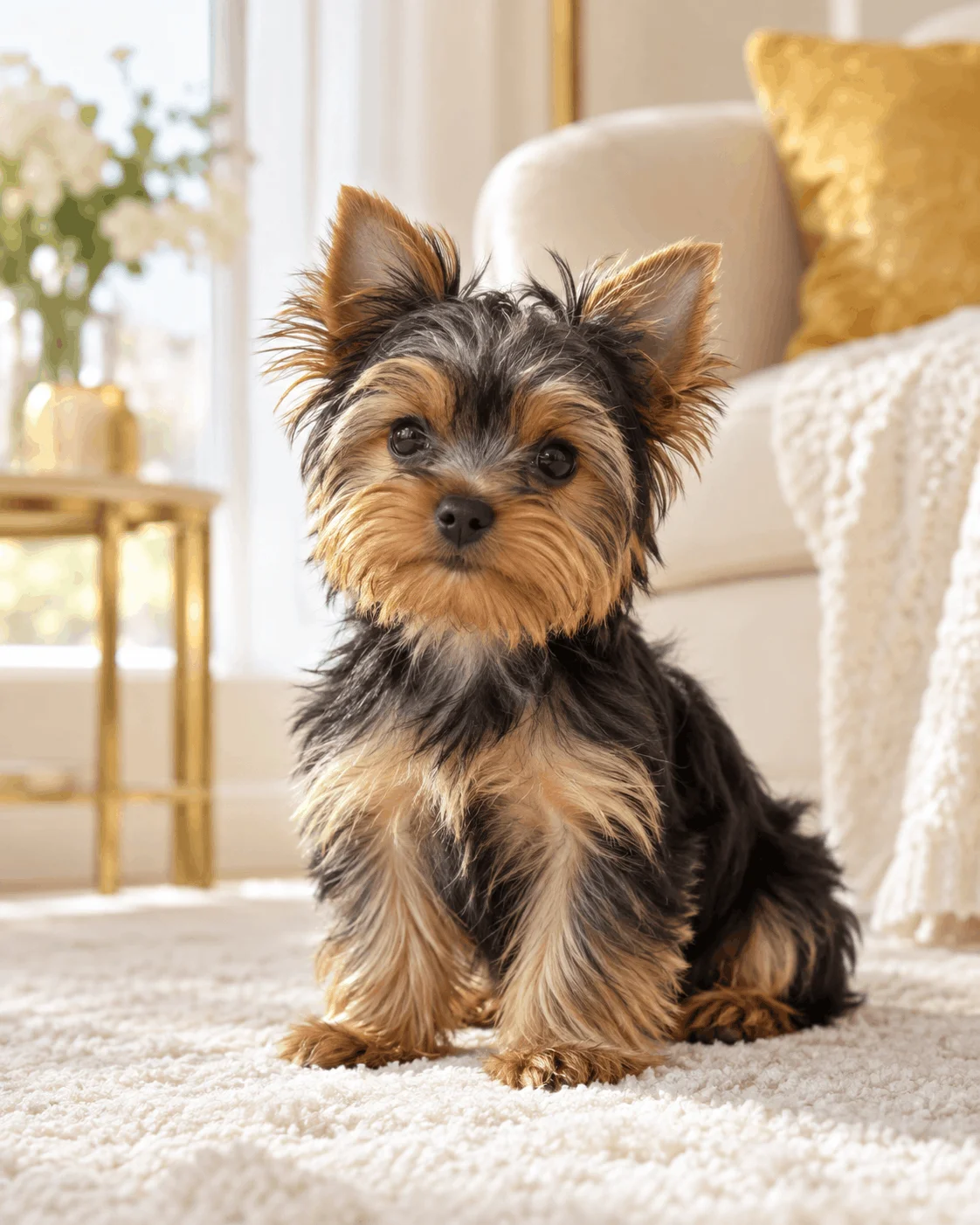
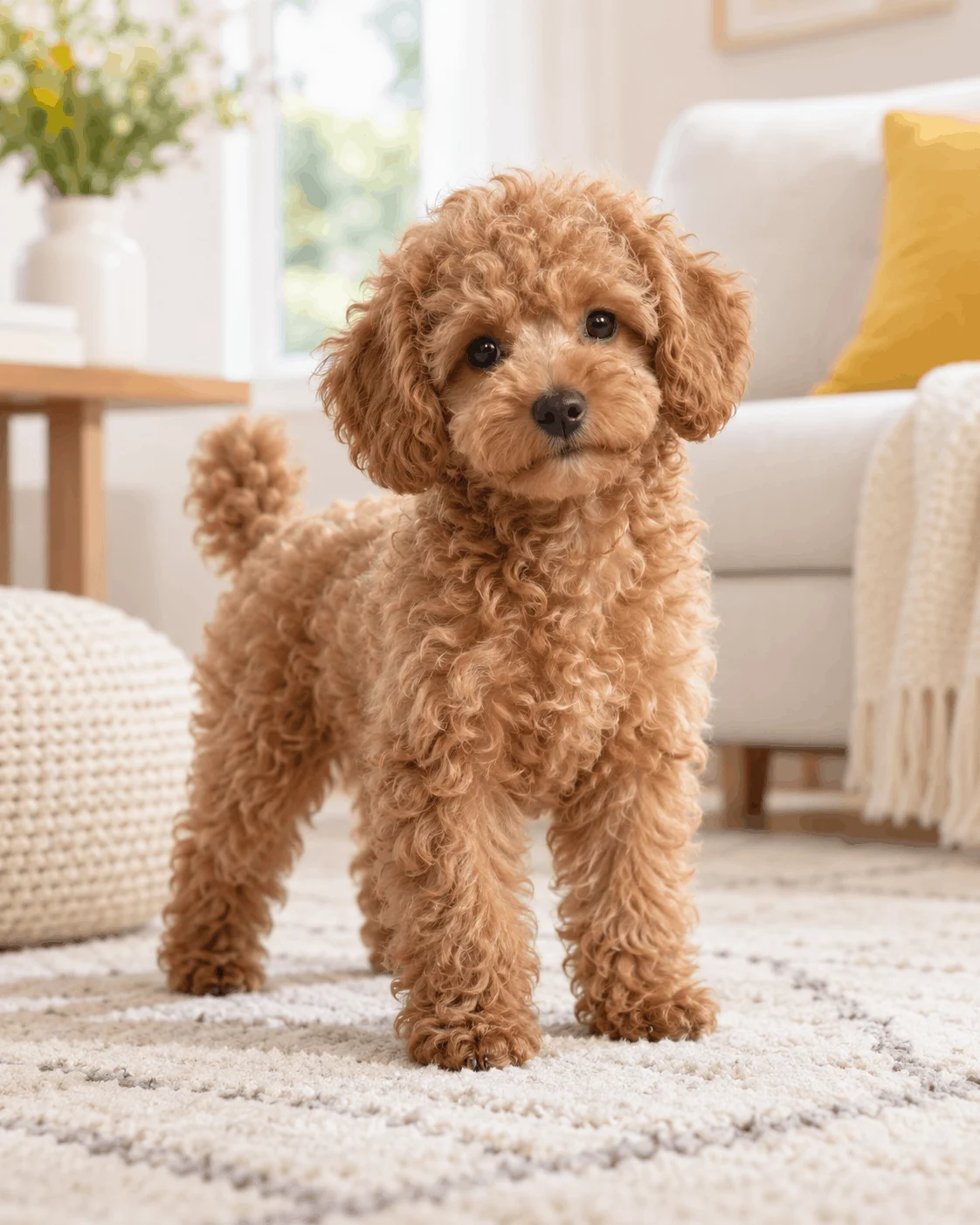
Be honest rather than optimistic. A Toy Poodle needs professional clipping every four to six weeks for its whole life. A Yorkie or Maltese kept in a long coat needs brushing most days. A Chihuahua needs a brush once a week. This is the cost families most often underestimate.
How active is your household?
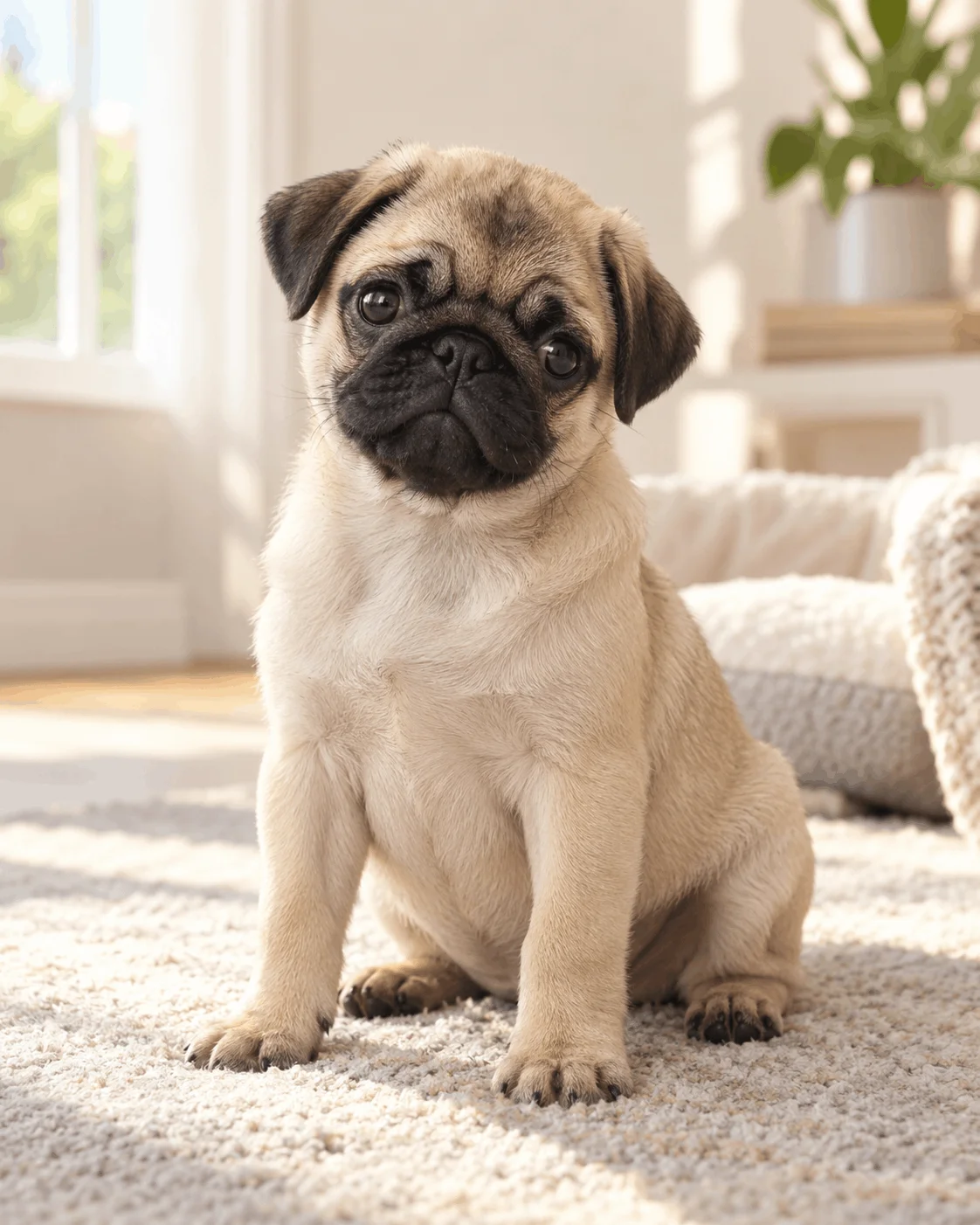
None of these breeds needs a yard, but they are not all the same. The Miniature Schnauzer wants a real daily walk and something to think about. The Pug wants a short, gentle one, and in this climate over-exercising a flat-faced breed is a real risk rather than a nicety.
What adult size suits your home?
Ranges run from about two pounds for a Chihuahua to around twenty for a Miniature Schnauzer. Smaller is not automatically easier: a very small dog needs a household that is careful about doorways, chairs and feet.
Is there already a cat or another dog?
Most of these breeds settle alongside resident pets given a calm introduction. Where it gets harder is with a dog that has never met a puppy, or a very small puppy alongside a much larger dog. Worth raising before you choose.
Do you want a dog to train, or a dog to sit with?
A real fork in the road. Toy Poodles and Yorkipoos enjoy learning and get restless without it. Maltese and Pugs are happiest simply being near you. Both are good ways to live with a dog. They are just different commitments.
How does the climate factor in?
It does, here. Flat-faced breeds cool themselves less efficiently, so the Pug and to a lesser extent the Shih Tzu need air conditioning, shade and cool-hour walks through a Panhandle summer. That is worth planning for rather than discovering.
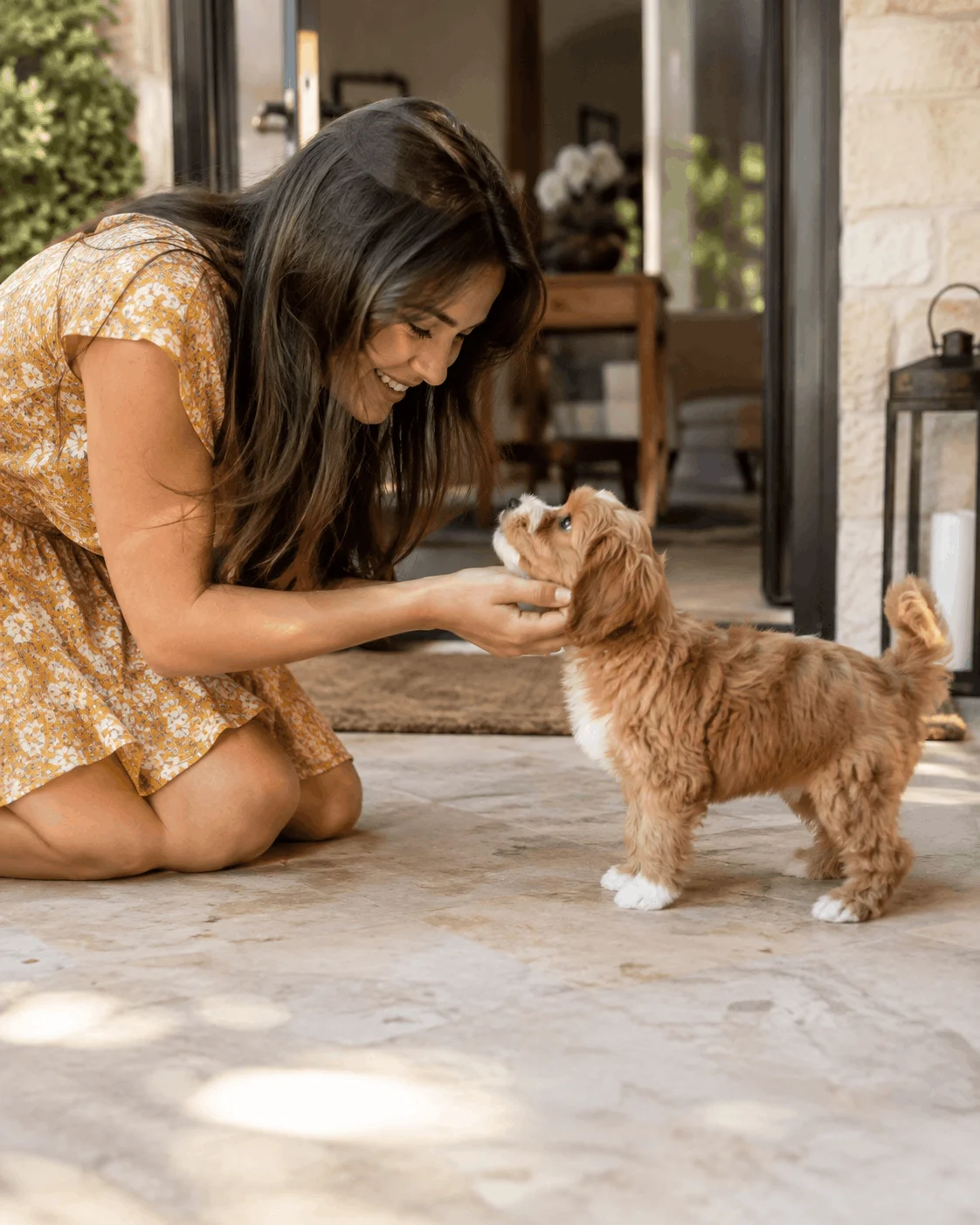
Every puppy is still an individual
Breed tells you the odds, not the outcome. Two Shih Tzu puppies from different litters can have noticeably different energy, and a cross like a Shorkie or Yorkipoo can lean toward either parent breed. Use breed to narrow the field, then meet the puppy.
That's why every family meets their puppy in person at the PCB Market before a placement goes ahead. Reading about a breed and spending twenty minutes with a specific dog are different kinds of information, and the second one matters more.
The nine small breeds we place
Each page sets out adult size, grooming, activity and the households the breed tends to suit, including the parts that are a genuine commitment. Availability varies by breed and timing. Contact Precious Pups for current availability.
Questions families ask while deciding
More answers are on the FAQ page, and how rehoming works covers the process step by step.
There is not one. The breeds that suit a busy home with young children are different from the ones that suit a quiet home where someone is in all day. The honest answer comes from your household rather than a ranking, which is what the questions above are for.
On grooming alone, the Chihuahua. Weekly brushing is generally enough. The Pug is straightforward too, though it sheds more than the others and needs real care in the heat. Every coated breed here carries a regular grooming cost.
Many are, with one caveat that is about size rather than temperament: an adult of four to seven pounds is easily hurt by well-meant rough play. Older children who have learned to be gentle open up the whole list; with toddlers, the sturdier breeds are the realistic direction.
None is genuinely non-shedding. Several are low-shedding: the Yorkie, Maltese, Toy Poodle, Shorkie and Yorkipoo hold loose hair in the coat rather than dropping it, which is why they need brushing. If someone in the household reacts to dogs, spend time around the breed first.
That happens, because availability changes from week to week. Joining the free rehoming waitlist costs nothing, records the breed and timing that suit you, and means we contact you when a matching puppy is placement-ready.
Yes, and it is a good use of a first visit. Families come to the weekend stall to see the breeds in person and ask about size and grooming before committing to anything. Nobody is expected to decide on the day.
Talk it through with us
Tell us what your household looks like and we will be straight about which of the nine breeds tend to suit and which do not. Joining the rehoming waitlist is free and commits you to nothing.